
A record for conservation after the birth of 17 California condors so far this year
The chicks are part of a conservation program for the species. (Jamie Pham/Los Angeles Zoo via AP)
Keepers and officials at the Los Angeles Zoo (United States) celebrate after the birth of 17 California condor chicks (Gymnogyps californianus), a bird native to northern Utah and Arizona that is considered by the International Union for Conservation of Nature (IUCN) to be a critically endangered species.
The last of the birds was born in June. These births represent a historic milestone for the zoo, since the previous record was 15 chicks and was established in 1997.
All of the newborns, according to a recent press release from zoo officials, are candidates to be released into the wild as part of the California Condor Recovery Program (CCRP).
17 chicks in one year: a historic milestone
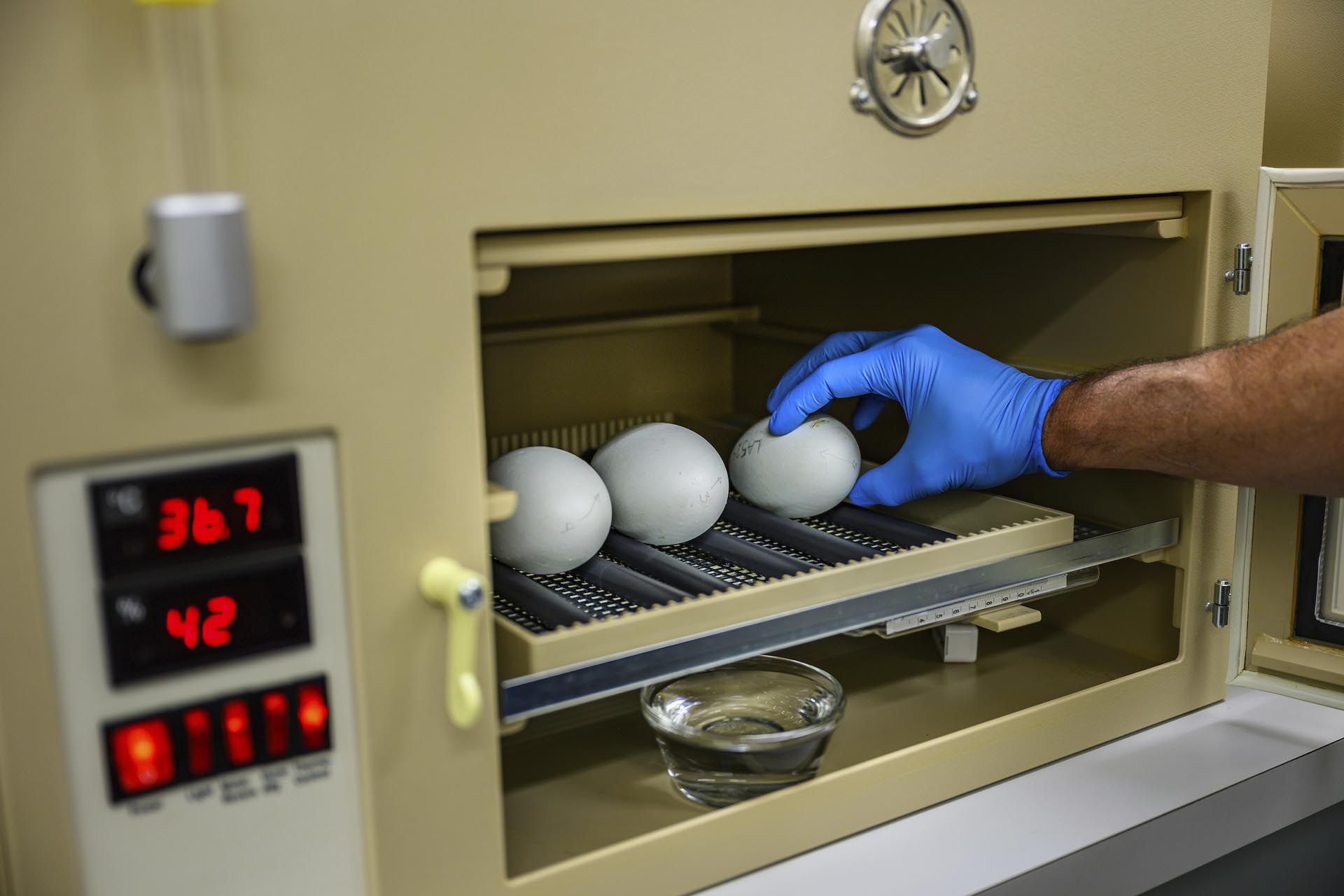
The newborns are expected to be released into the wild after a breeding process.
Rose Legato, the theme park’s curator of birds, said this is a historic moment for the CCRP and the zoo’s animal care team, explaining that her condor group «raised the bar again» in terms of the collaborative effort to save «the largest flying bird in the U.S.» from extinction.
The Los Angeles Zoo’s curator of birds said the record is the benefit of «new breeding and reproduction techniques» developed by the program’s team members, who are tasked with pairing «two or three» condor chicks with surrogate adults for breeding.
«The result is more condor chicks in the program and, ultimately, more condors in the wild,» Legato said.
According to the authorities in the statement, in 2026 the members of the theme park pioneered a new breeding technique that consisted of placing two chicks with a substitute adult condor and so far, this procedure has not been attempted in another zoo or CCRP partner.
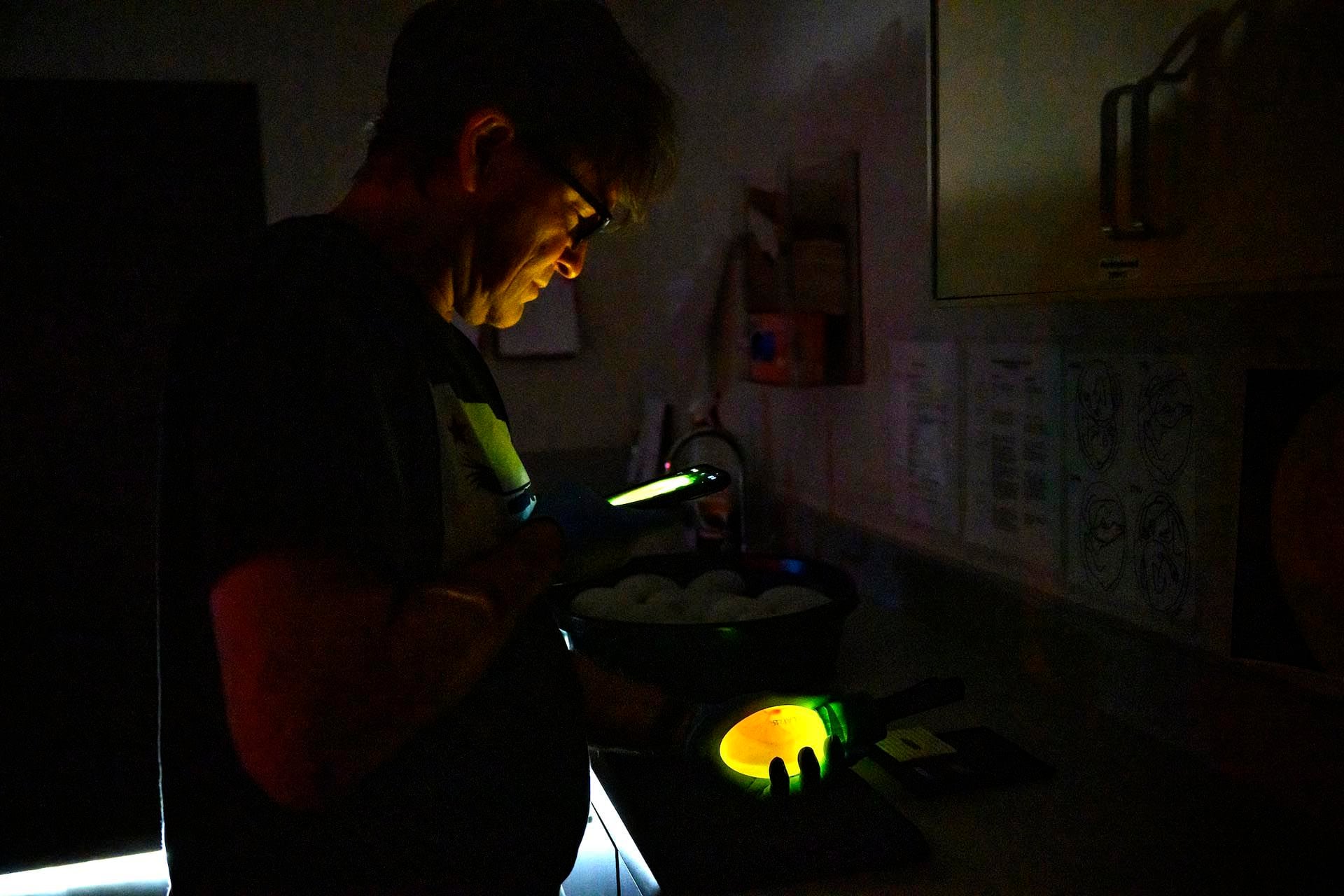
The zoo’s last record for hatchings was set in 1997.
This year, however, they implemented another novel technique that allows one female to care for three chicks at a time.
The “triple-rearing” process helps maximize the zoo’s ability to care for the chicks without the need for human intervention, which in turn helps make their reintroduction into the wild much more successful.
Denise M. Verret, executive director of the Los Angeles Zoo, said the theme park has played an important role in the recovery of the “iconic” California condor since the CCRP began in the 1980s, when the species was “on the brink of extinction.”
“It is the cornerstone of the zoo’s mission to save wildlife and an important example of a successful conservation partnership between theme parks, government agencies, indigenous peoples and private organizations,” Verret said.
An achievement for conservation
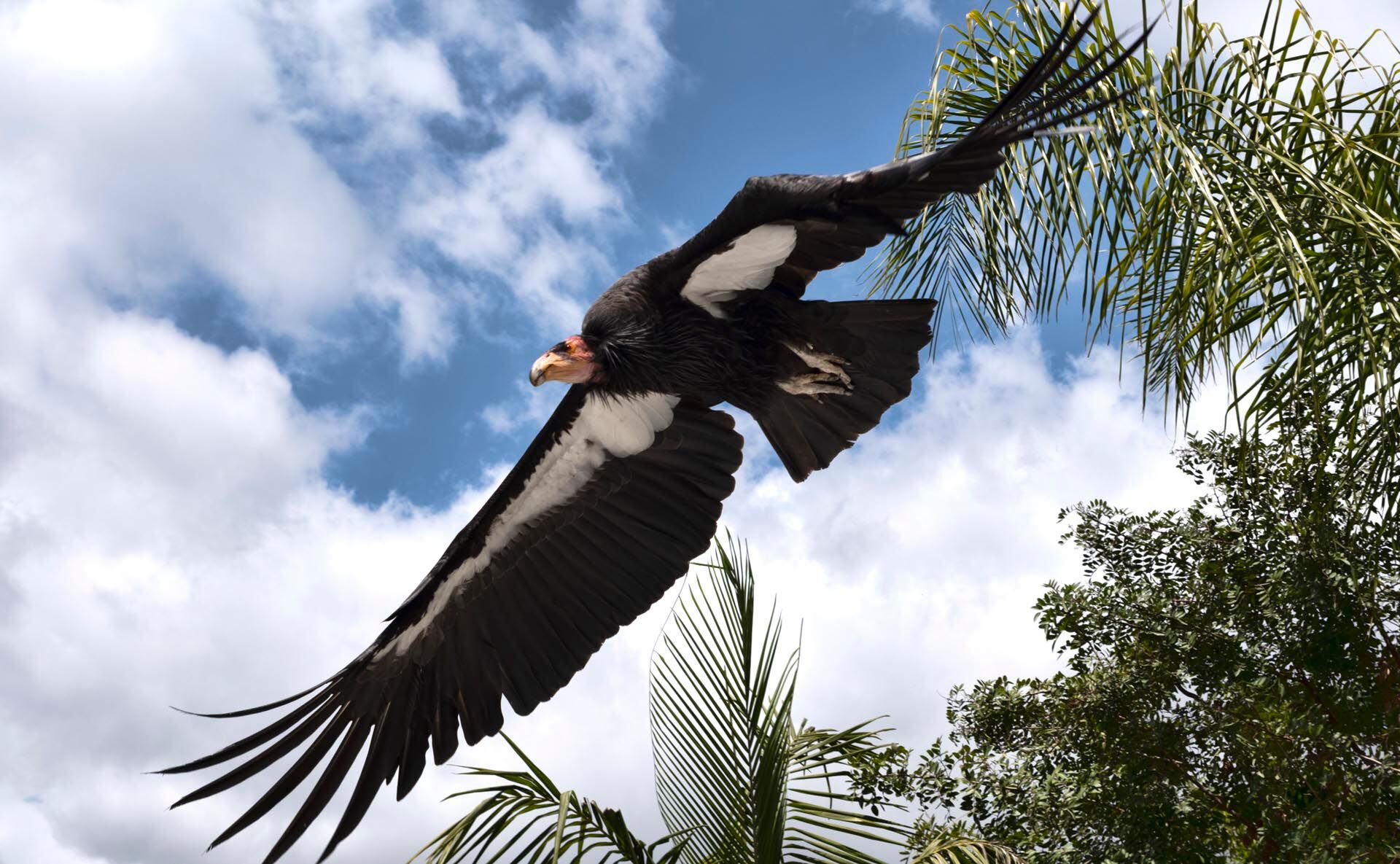
The executive director of the Los Angeles Zoo spoke for her team of caretakers and officers, saying that they were “proud” to contribute in such a “significant” way to the preservation of nature.
As of December 2026, there were 561 California condors in the world, of which 344 live in the wild, however, this number varies daily depending on external factors such as habitat loss, pesticide contamination, consumption of micro waste and lead poisoning that occurs when birds swallow fragments of bullets or pellets found in the carcasses of their prey, they reported in the statement.
The wild population of the California condor and its growth, according to the theme park authorities, depends mainly on the captive breeding program.


